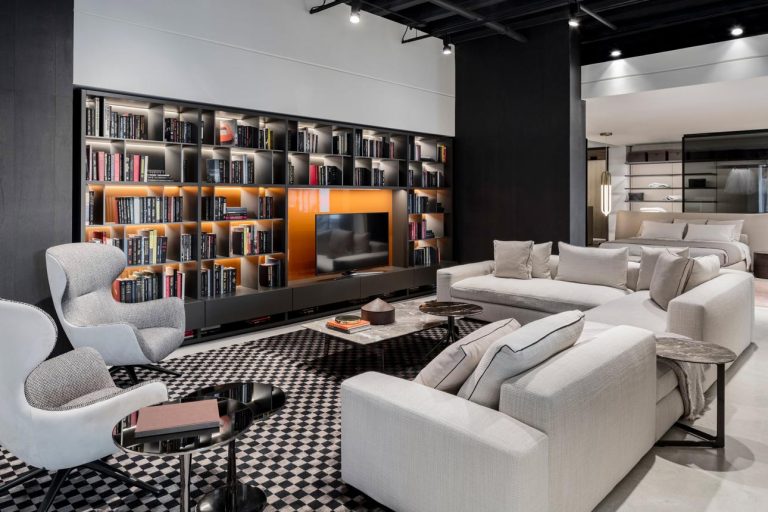
Furniture Store Remodels: Replacing and Upgrading Showroom Display Equipment
Upgrade furniture showrooms with realistic prop TVs. Explore display replacement, renovation planning, and consistent multi-store retail presentation.

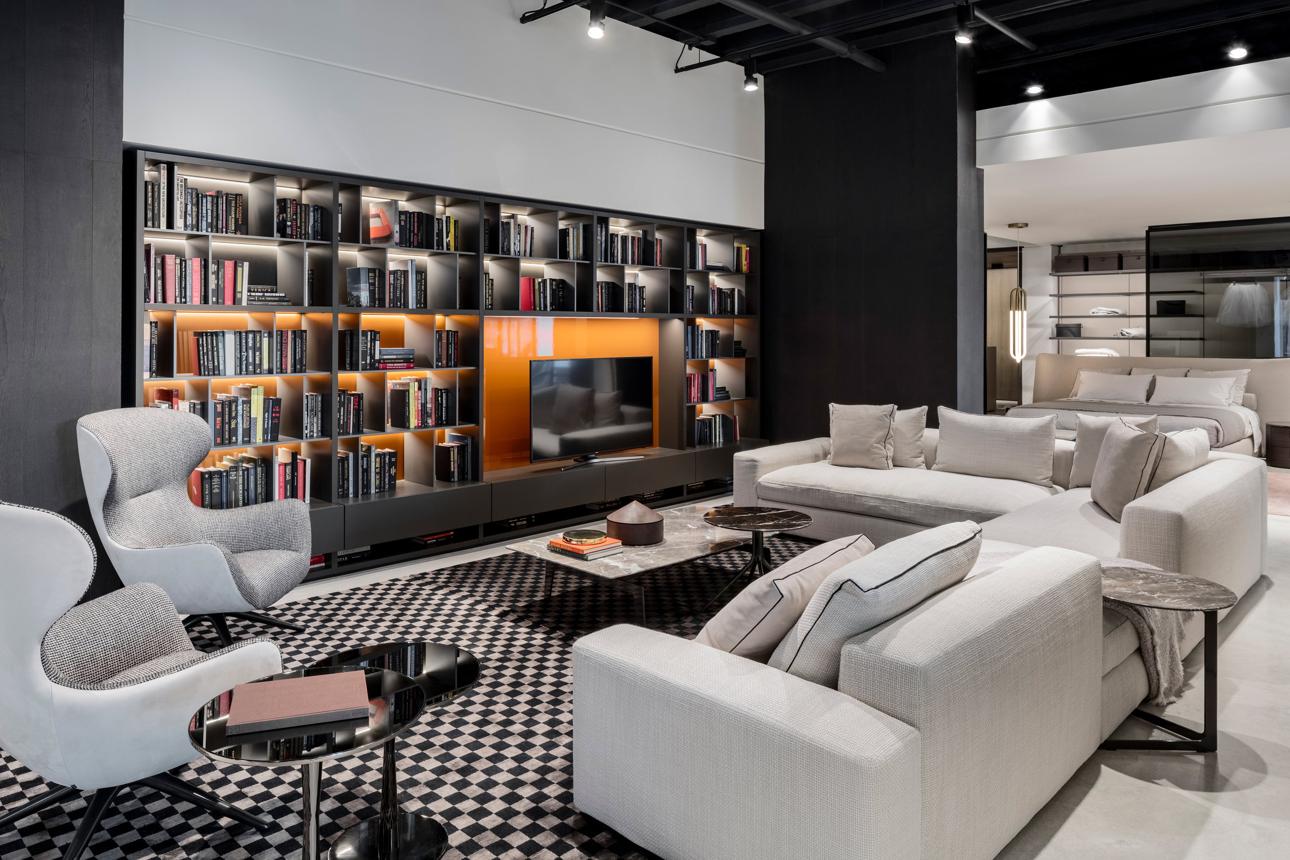
Furniture retail showrooms are constantly evolving. As furniture collections change, retail concepts develop, and customer expectations shift, existing stores need regular updates to maintain an attractive and relevant shopping environment.
For large furniture retailers operating multiple locations across the United States, showroom renovation is an ongoing business activity rather than a one-time project.
From updating living room displays and replacing outdated fixtures to redesigning media walls and refreshing lifestyle settings, every improvement contributes to the overall store experience.
However, one detail is sometimes overlooked during renovation planning: showroom display equipment.
Prop TVs offer a practical solution for furniture retailers looking to refresh television displays, standardize showroom presentation, and maintain realistic living environments across existing stores.
1. Why Existing Furniture Stores Need Regular Display Updates
A furniture showroom represents the brand’s products, design philosophy, and customer experience.
Over time, even a well-designed showroom can begin to look outdated.
Furniture collections change. Media consoles are redesigned. New sofa styles and bedroom collections are introduced. Store layouts may also be adjusted to improve customer circulation and merchandising performance.
These changes create opportunities to update the surrounding display elements.
Common reasons for furniture showroom upgrades include:
- Replacing outdated living room and entertainment displays.
- Introducing new furniture collections and product categories.
- Updating television sizes to match redesigned media consoles.
- Refreshing bedroom and lifestyle presentation areas.
- Improving consistency across multiple retail locations.
- Modernizing showroom interiors to reflect updated brand standards.
For retailers with large store networks, coordinating these improvements across locations requires a clear and repeatable display strategy.
2. Updating Television Displays During Furniture Store Renovations
Televisions are important visual elements in modern living room settings.
A realistic television display positioned above a media console helps customers understand the intended proportions and appearance of a complete entertainment area.
During a showroom renovation, existing television displays may no longer match the updated furniture collections.
For example:
- An older 50-inch display may look undersized above a newly introduced large media console.
- A redesigned entertainment center may require a different screen size.
- A new premium living room setting may benefit from a larger television display.
- A redesigned feature wall may require a more consistent screen appearance across several locations.
Replacing outdated display models with appropriately sized prop TVs can help retailers refresh these settings without purchasing operational televisions for every showroom arrangement.
3. Prop TV Sizes for Different Showroom Upgrade Projects
Different furniture collections require different display proportions.
When planning a renovation, retailers should consider the dimensions of the furniture, the available wall space, and the overall design concept.
Common prop TV sizes include:
| Screen size | Typical renovation application |
|---|---|
| 32–43 inch | Compact living room and bedroom displays |
| 50–55 inch | Standard entertainment consoles |
| 65 inch | Updated living room furniture settings |
| 75 inch | Premium media consoles and feature walls |
| 85 inch | Large entertainment centers |
| 98 inch | Oversized showroom feature displays |
For multi-location renovation programs, retailers can establish preferred screen sizes for different showroom concepts.
This helps maintain visual consistency while allowing individual locations to accommodate different floor plans and furniture collections.
For more information, visit our Prop TV Size Guide.
4. Building a Display Replacement Program Across Multiple Stores
For large furniture retailers, replacing showroom display equipment should not always be handled as a series of unrelated purchases.
A centralized replacement program can make it easier to coordinate specifications, purchasing, and delivery across multiple locations.
A practical approach involves five steps.
Step 1: Audit Existing Showroom Displays
Identify outdated television displays, damaged props, inconsistent screen sizes, and furniture settings scheduled for renovation.
Step 2: Establish Updated Display Specifications
Define preferred screen sizes, product appearance, colors, mounting requirements, and quantities for each showroom concept.
Step 3: Prioritize Stores for Renovation
Organize locations according to renovation schedules, showroom condition, new furniture collection launches, and regional upgrade priorities.
Step 4: Coordinate Bulk Purchasing
Consolidate product requirements where possible to simplify supplier communication, production planning, packaging, and shipping arrangements.
Step 5: Maintain Specifications for Future Replacements
Keep a record of approved display models and specifications so that future renovations and replacement orders can follow the same standards.
This approach is particularly useful for furniture groups managing regional or nationwide showroom improvement programs.
5. Why Prop TVs Are a Practical Choice for Showroom Refreshes
Traditional televisions are designed to provide entertainment. However, furniture showroom displays often require only the visual appearance of a television.
For these applications, non-functional prop TVs can offer several practical advantages.
No Electricity Required
Prop TVs do not need operational power connections, making them suitable for permanent showroom settings.
No Power or Signal Cables
There is no need to arrange television signal connections or manage operational wiring.
No Operating Heat
Because the displays do not operate as conventional televisions, they do not generate heat from normal electronic operation.
No Software or System Maintenance
There are no television operating systems, software updates, or channel configurations to manage.
Lightweight Display Construction
Lightweight designs can make handling and repositioning easier during showroom changes, subject to the selected model and installation requirements.
Consistent Visual Presentation
Using approved product specifications helps retailers maintain a consistent television appearance across different showroom locations.
For furniture retailers, these characteristics make prop TVs a practical option when the primary objective is to create complete and realistic interior displays.
6. Coordinating Display Upgrades with Furniture Collection Changes
A showroom renovation is often an opportunity to introduce new furniture collections and improve the way products are presented.
Rather than treating television displays as separate accessories, retailers can coordinate them with the furniture collections they support.
For example:
Living Room Collection Refresh
Replace outdated television props with appropriately sized models that complement updated sofas, media consoles, and coffee tables.
Entertainment Furniture Updates
Match television dimensions to new entertainment centers and media cabinets to create balanced product presentations.
Premium Showroom Renovation
Use larger prop TVs to support premium furniture arrangements and prominent feature walls.
Bedroom Collection Updates
Refresh bedroom television displays to complement redesigned bedroom furniture and lifestyle settings.
Regional Store Concept Changes
Maintain consistent display specifications across stores adopting the same updated showroom concept.
Coordinating these elements creates a more complete visual presentation and makes showroom updates easier to manage.
7. Choosing a Reliable Supplier for Ongoing Showroom Upgrades
For large furniture retailers, a display equipment supplier should be evaluated as a long-term business partner rather than simply an individual product vendor.
When renovation programs involve multiple locations and repeat orders, several factors become important.
Manufacturing Experience
Choose a supplier familiar with non-functional display products and commercial showroom applications.
Consistent Product Specifications
Repeat orders should maintain approved dimensions, appearance, finish, and construction quality.
Multiple Screen Sizes
A suitable product range should accommodate different showroom concepts, furniture collections, and display requirements.
Bulk Order Coordination
The supplier should understand project quantities, packaging requirements, production arrangements, and international shipping.
Reliable Communication
Clear communication helps purchasing, design, and store renovation teams coordinate specifications and delivery requirements.
Long-Term Supply Support
For retailers with continuous renovation schedules, the ability to reorder matching products is an important consideration.
YIJIA specializes in non-functional prop TVs and dummy electronic display products for furniture showrooms, interior design projects, home staging, and commercial display applications.
With more than 10 years of manufacturing experience and international distribution experience, we understand the importance of product consistency and practical project coordination.
8. Make Your Next Furniture Showroom Upgrade More Consistent with YIJIA
Whether you are renovating a single showroom, refreshing a regional group of stores, or coordinating a nationwide furniture retail upgrade, the right display equipment can help maintain a consistent presentation.
YIJIA provides non-functional prop TVs in multiple sizes, from 32 to 98 inches, to suit different showroom layouts, furniture collections, and commercial display requirements.
We welcome inquiries from:
- Large furniture retail chains.
- Furniture store renovation and development teams.
- Retail purchasing and procurement departments.
- Visual merchandising and store planning teams.
- Furniture manufacturers with branded showrooms.
- Commercial interior design and renovation contractors.
Planning a furniture showroom renovation or display replacement program?
Tell us about your renovation requirements, preferred screen sizes, estimated quantities, and delivery destinations.
Our team can help identify suitable prop TV models for your existing stores and upcoming showroom upgrade projects.
Explore Our Prop TV Collection
Request a Product & Shipping Quote
YIJIA Props — Create Atmosphere, Inspire Spaces.