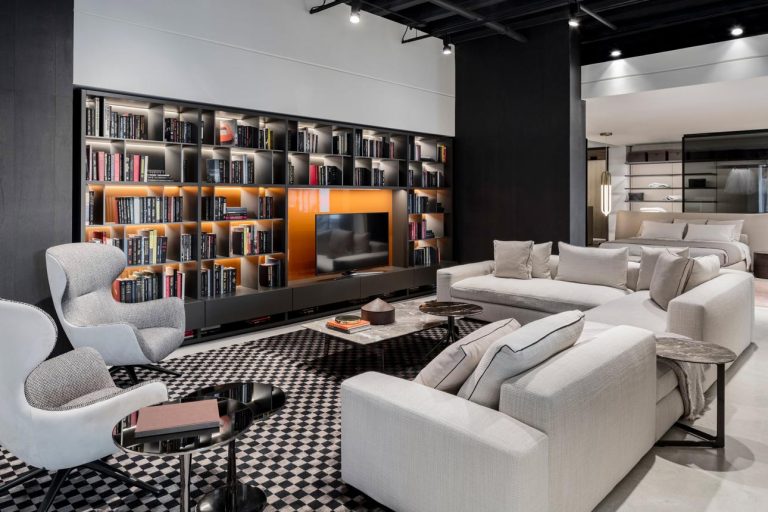
Bulk Prop TV Purchasing for Large Furniture Retail Chains: A Guide to Centralized Procurement
Discover how large furniture retailers can standardize prop TV purchasing, manage bulk orders, coordinate suppliers, and plan international shipments.

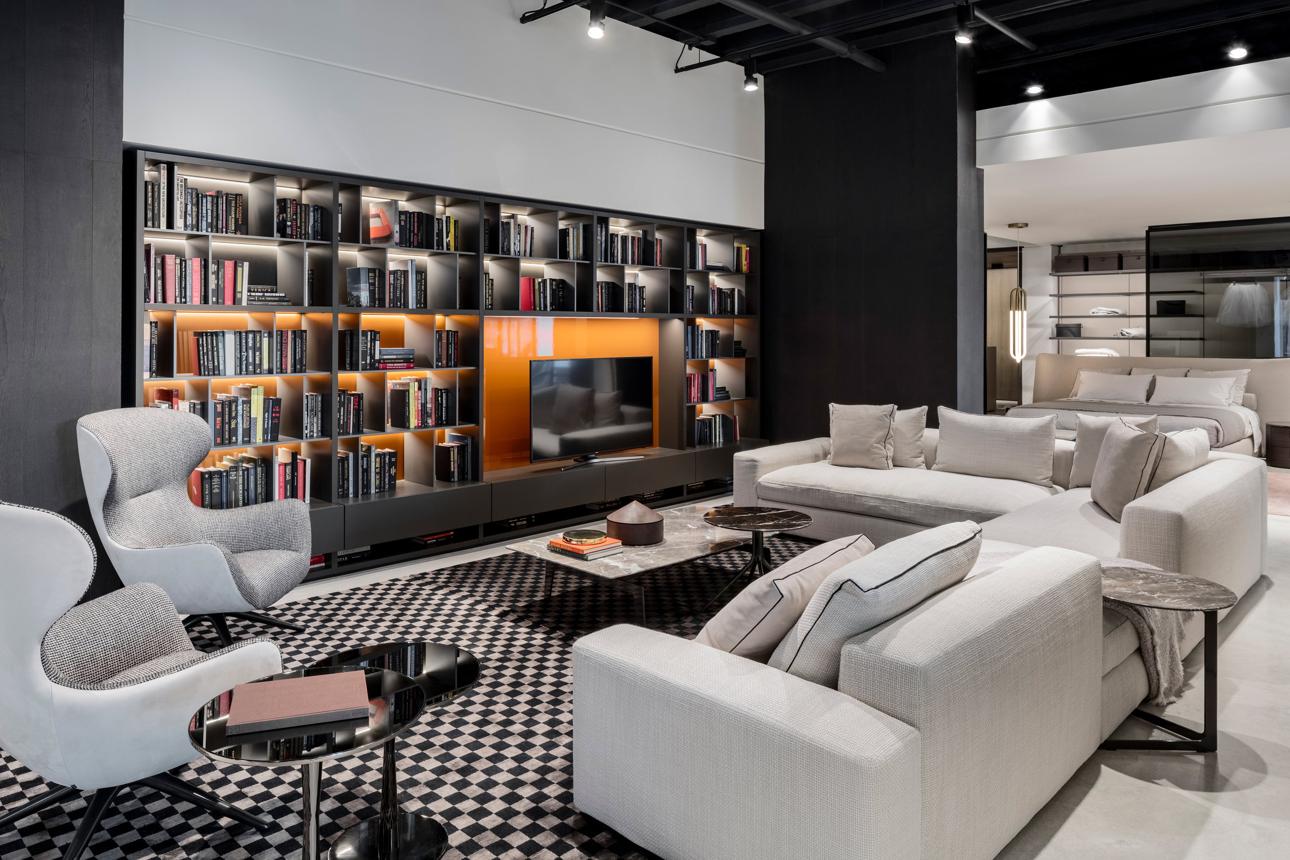
For large furniture retail chains, purchasing showroom display equipment is not simply a matter of ordering products when individual stores need them.
As retail networks expand, renovate existing locations, and introduce new showroom concepts, procurement teams face a more complex challenge: how to maintain consistent product specifications, coordinate suppliers, manage purchasing schedules, and organize deliveries across multiple locations.
Television displays are an important part of modern furniture showroom presentation. From living room settings and entertainment centers to premium media walls, they help create complete and realistic shopping environments.
For retailers operating dozens or hundreds of stores, bulk purchasing non-functional prop TVs can provide a more structured approach to managing these display requirements.
This guide explains how large furniture retailers can develop a standardized prop TV purchasing program and work with suppliers to support ongoing showroom projects.
1. Why Large Furniture Retail Chains Should Standardize Prop TV Purchasing
When different stores purchase display equipment independently, product specifications, purchasing prices, and supplier arrangements can become inconsistent.
One location may purchase a 55-inch display, another may choose a different model, while a third may use an entirely different supplier.
Although individual purchasing decisions may seem convenient, this approach can create unnecessary complexity for headquarters and regional procurement teams.
A standardized purchasing program helps retailers:
- Establish approved product specifications across stores.
- Consolidate purchasing requirements from different locations.
- Reduce unnecessary supplier duplication.
- Improve visibility into purchasing quantities and schedules.
- Coordinate repeat orders and future showroom upgrades.
- Maintain consistent display presentation across the retail network.
For large furniture groups, the objective is not necessarily to centralize every individual purchase. It is to establish common standards and approved suppliers while allowing regional teams to coordinate local project requirements.
2. Establishing a Standardized Prop TV Product Specification
Before requesting quotations from suppliers, procurement teams should establish a clear product specification.
This is particularly important when products will be purchased repeatedly for different stores and renovation projects.
A standardized specification should include the following information.
Screen Size
Define the preferred sizes for different showroom applications, such as 43, 55, 65, 75, 85, and 98 inches.
Product Appearance
Specify the required color, bezel appearance, screen finish, and overall visual presentation.
Display Construction
Confirm the product’s non-functional design, weight, external dimensions, and suitability for the intended showroom environment.
Installation Requirements
Specify whether the product will be wall-mounted, placed on a tabletop, or integrated into a furniture display.
Packaging Requirements
Establish packaging expectations for bulk orders, including protection during transportation, carton identification, and quantity labeling.
Approved Product References
Assign a product code or model reference to each approved specification. This makes repeat purchasing and supplier communication easier.
A clear specification sheet reduces misunderstandings and helps ensure that purchasing teams, showroom designers, and suppliers are working with the same requirements.
3. Planning Bulk Purchasing Across Multiple Store Locations
For a national furniture retail chain, purchasing requirements should be considered across the entire store network rather than one location at a time.
A practical purchasing schedule can organize requirements by project type.
| Project type | Purchasing consideration |
|---|---|
| New store openings | Initial display equipment quantities |
| Store renovations | Replacement and upgraded displays |
| Regional showroom refreshes | Coordinated regional purchasing |
| New furniture collections | Additional display requirements |
| Existing store replacements | Repeat orders matching approved specifications |
For example, a retailer planning several showroom renovations may consolidate its requirements into one purchasing schedule.
The schedule can identify:
- Store location or regional distribution center.
- Required prop TV model and size.
- Quantity per location.
- Approved product specification.
- Required delivery date.
- Packaging and labeling requirements.
- Shipping destination.
This gives procurement teams a clearer overview of total demand and allows suppliers to plan production and shipment arrangements more effectively.
4. Managing Multiple Orders and Repeat Purchasing
Large retail organizations rarely purchase all showroom display equipment at once.
New stores may open in different months. Renovation projects may be scheduled by region. Additional quantities may be required when new furniture collections are introduced.
For this reason, suppliers should understand how to support both consolidated orders and phased purchasing requirements.
A structured order management process can include:
Master Product List
Maintain a list of approved prop TV models, dimensions, colors, and product specifications.
Purchase Order References
Use clear purchase order numbers and project references to distinguish between different orders and locations.
Order Confirmation
Confirm product specifications, quantities, pricing, packaging, and agreed delivery terms before production.
Production and Shipment Updates
Provide clear communication about order progress, shipment preparation, and expected dispatch dates.
Repeat Order Records
Maintain approved product references so future orders can follow previously confirmed specifications.
For procurement managers, this structure makes it easier to coordinate suppliers and track orders across multiple showroom projects.
5. Evaluating and Managing a Long-Term Prop TV Supplier
For a large furniture retail group, selecting a supplier should involve more than comparing the unit price of individual products.
A supplier supporting a multi-store purchasing program should be evaluated on its ability to deliver consistent products and coordinate repeat business.
Important evaluation factors include:
Manufacturing Capability
Can the supplier support different screen sizes and commercial display requirements?
Product Consistency
Can repeat orders follow the same approved dimensions, appearance, and construction specifications?
Bulk Order Coordination
Can the supplier organize quotations, production arrangements, packaging, and shipments for different project quantities?
Communication
Can the supplier provide clear order confirmations and updates to purchasing and project teams?
Export Experience
Does the supplier understand export documentation, international shipping arrangements, and coordination with freight forwarders?
Long-Term Availability
Can the supplier discuss future production and repeat orders for previously approved models?
Retail procurement teams should also establish a supplier evaluation process covering quality, delivery performance, communication, and commercial terms.
A reliable supplier relationship is built through consistent execution over multiple orders, not simply one successful shipment.
6. Coordinating International Logistics for Bulk Prop TV Orders
For U.S. furniture retailers purchasing display products from overseas manufacturers, international logistics should be considered during the procurement planning stage.
The objective is to avoid treating shipping as an afterthought once production has been completed.
Several details should be agreed upon before an order is confirmed.
Shipping Method
Determine whether the order is suitable for LCL (Less than Container Load) or FCL (Full Container Load) transportation, depending on volume, timing, and landed cost.
Delivery Destination
Confirm whether goods will be shipped to a seaport, distribution center, warehouse, or another agreed destination.
Packaging and Carton Information
Confirm carton dimensions, gross weight, net weight, product quantities, and packaging protection.
Shipping Documentation
Coordinate the commercial invoice, packing list, transport documents, and other documents required for the agreed shipment.
Incoterms and Cost Responsibilities
Clearly establish which party is responsible for transportation, insurance where applicable, customs formalities, duties, and delivery under the agreed Incoterms rule.
U.S. Customs Coordination
For U.S.-bound shipments, identify the importer of record and agree who will coordinate customs entry with the customs broker. U.S. Customs and Border Protection explains the importer’s responsibilities in its official Importing into the United States guide.
Clear responsibilities help purchasing teams avoid confusion about shipping costs, customs clearance, and final delivery arrangements.
For large retail groups, coordinating multiple orders with a planned shipping schedule can also help improve visibility across regional distribution requirements.
7. Why Prop TVs Are Suitable for Bulk Furniture Showroom Purchasing
Traditional televisions contain electronic functions that are often unnecessary for permanent furniture showroom displays.
In many retail applications, the main requirement is to reproduce the visual appearance of a television within a complete furniture setting.
Non-functional prop TVs are designed for this purpose.
Their practical characteristics include:
- No electricity required for operation.
- No power cables or television signal connections.
- No operational screen heat.
- No television software or system maintenance.
- Lightweight construction for easier showroom handling.
- Multiple screen sizes for different furniture arrangements.
For furniture retail chains, these characteristics can simplify the management of display equipment across multiple locations.
Instead of purchasing operational televisions for every showroom arrangement, retailers can select display products specifically designed for visual merchandising.
8. Building a Long-Term Display Supply Program with YIJIA
For furniture retailers with continuous store openings, renovations, and showroom refresh projects, display equipment purchasing should be approached as an ongoing supply requirement.
YIJIA specializes in manufacturing non-functional prop TVs and dummy electronic display products for furniture showrooms, interior design projects, home staging, and commercial display environments.
Our prop TV collection covers screen sizes from 32 inches to 98 inches, supporting different showroom layouts and furniture display concepts.
We understand that commercial buyers need more than a product quotation.
A practical supply discussion should cover:
- Approved product models and specifications.
- Required quantities and purchasing schedules.
- Bulk order and repeat order coordination.
- Product packaging and carton information.
- Export documentation and shipping arrangements.
- Delivery destinations and agreed trade terms.
- Future showroom expansion and replacement requirements.
With more than 10 years of manufacturing experience and international distribution experience, YIJIA welcomes opportunities to support furniture retailers, distributors, and commercial showroom projects.
9. Request a Bulk Prop TV Quotation for Your Furniture Retail Network
Whether your company operates a regional furniture dealer network or a nationwide retail chain, establishing consistent display specifications can make showroom purchasing easier to coordinate.
YIJIA welcomes inquiries from:
- National furniture retail chains.
- Regional furniture retail groups.
- Centralized purchasing departments.
- Strategic sourcing and vendor management teams.
- Retail supply chain departments.
- Furniture manufacturers with multiple showrooms.
- Commercial showroom design and renovation contractors.
Planning a bulk prop TV purchasing program?
Share your preferred screen sizes, estimated quantities, purchasing schedule, and delivery destinations with our team.
We can help you identify suitable models and discuss product specifications, bulk order arrangements, packaging, and international shipping requirements.
Explore Our Prop TV Collection
Request a Bulk Product & Shipping Quote
YIJIA Props — Create Atmosphere, Inspire Spaces.