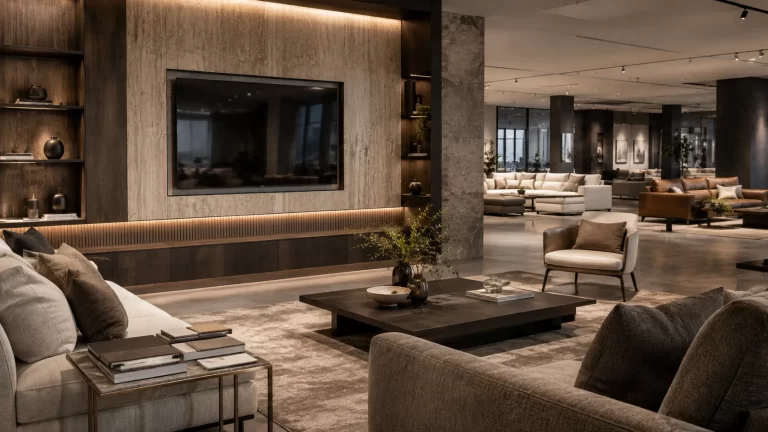
Real TV vs Dummy TV: Which Is Better for Showroom Displays?
Compare real TVs and non-functional dummy TVs for furniture showrooms. Learn when each option makes sense, including cost, installation, sizing and multi-store display requirements.

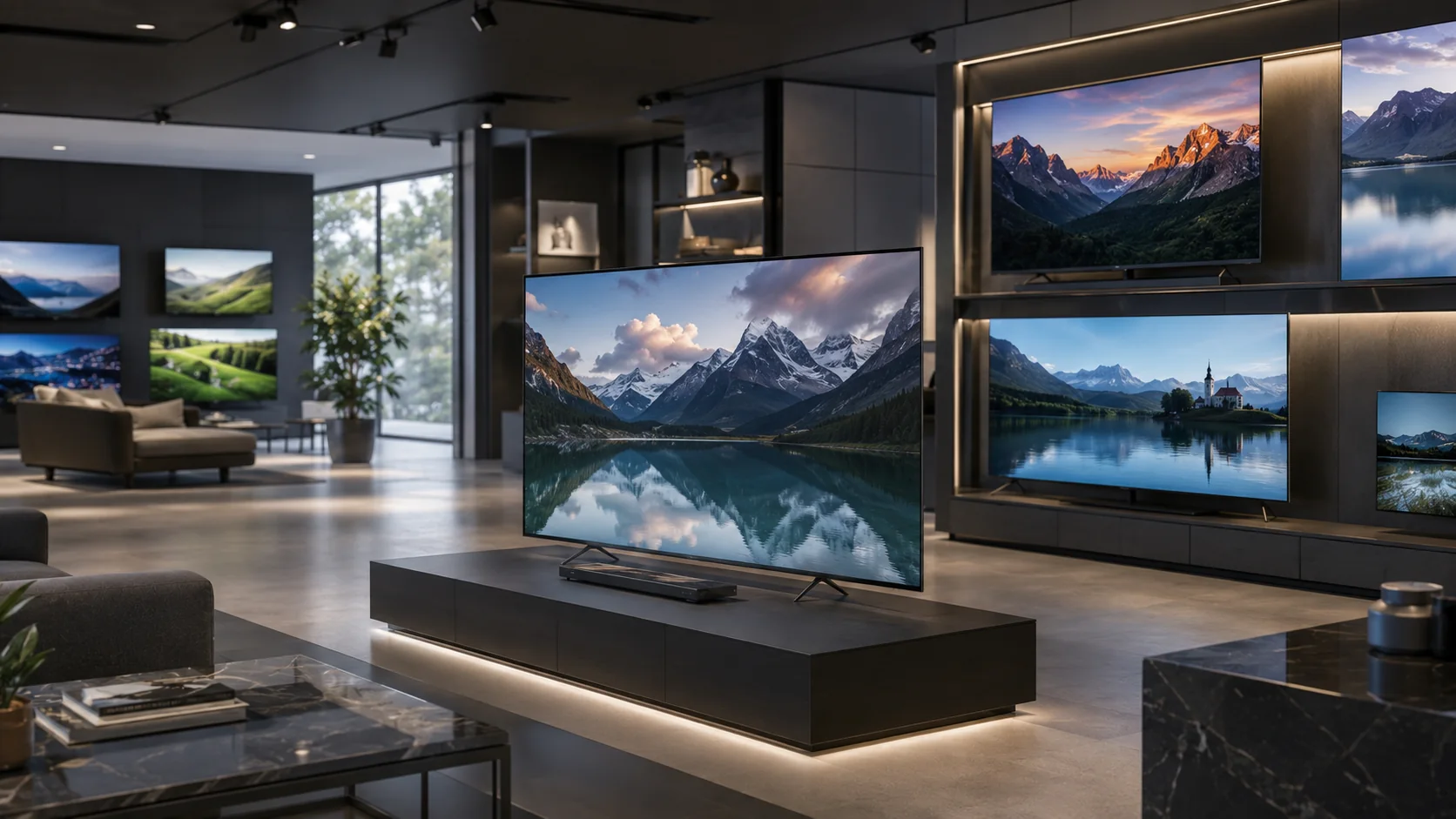
When planning a furniture showroom, model home, or commercial display, one practical question often comes up:
Should you install a real television or use a non-functional dummy TV?
The answer depends on what the screen needs to do.
If customers need to watch videos, interact with content, or experience live product demonstrations, a real TV is necessary.
If the purpose is to complete a realistic living-room display, present a media cabinet or create a consistent interior setting, a non-functional dummy TV may be the more practical choice.
For furniture retailers, interior designers and visual merchandising teams, choosing the right option can simplify showroom planning and help ensure that display equipment supports the actual products being presented.
Real TV vs Dummy TV: Understanding the Difference
A real TV is a functional electronic device with a working screen and the ability to display digital content from supported sources.
A dummy TV, also called a Prop TV, is a non-functional display model designed to reproduce the visual appearance of a television.
YIJIA Prop TVs use static screen presentations and do not contain the electronic functionality required for live video playback, streaming, or interactive applications.
Both products can have a place in professional commercial environments, but they serve different purposes.
Real TV vs Dummy TV Comparison
| Feature | Real TV | Non-Functional Dummy TV |
|---|---|---|
| Primary purpose | Electronic viewing and digital content | Visual staging and room presentation |
| Video playback | Yes | No |
| Live advertising content | Yes, with suitable equipment | No |
| Electricity required | Yes | No |
| Software or streaming setup | May be required | Not required |
| Screen appearance | Can change dynamically | Fixed static presentation |
| Electronic maintenance | May be required | Not required |
| Weight and handling | Depends on the model | Depends on the prop model |
| Screen reflections | Depends on screen finish and lighting | Depends on prop surface and lighting |
| Purchase and installation cost | Depends on specifications | Depends on model, quantity and delivery |
| Best application | Interactive or digital displays | Furniture showrooms and static staging |
The important distinction is functionality.
A dummy TV is not a replacement for a working display when live electronic content is required. It is an alternative when the television serves a purely visual purpose.
1. When a Real TV Is the Better Choice
Real televisions remain essential in many commercial settings.
For example, a retailer demonstrating the latest television technology needs functioning screens so customers can evaluate picture quality, resolution, and product features.
A furniture showroom may also choose working televisions when the display concept includes changing promotional messages or digital advertising.
Real TVs are appropriate when a project requires:
- Video playback or streaming content
- Interactive customer demonstrations
- Digital signage or changing advertising
- Live presentations or product information
- Demonstration of actual TV technology
- Integration with electronic systems
In these circumstances, a non-functional dummy TV would not meet the project’s requirements.
However, a working display also introduces practical considerations such as power supply, cable routing, equipment configuration, and ongoing operation.
These requirements should be included in the showroom’s installation and maintenance plan.
2. When a Dummy TV Is the Better Choice
Many furniture displays do not require the television to function.
The television may simply be there to complete the visual relationship between the sofa, media cabinet, feature wall, and surrounding accessories.
In these environments, a non-functional Prop TV can deliver the necessary visual effect without electronic operation.
Typical applications include:
Furniture Showrooms
A Prop TV helps customers understand how an entertainment unit or media cabinet fits into a complete living-room arrangement.
Real Estate Model Homes
A realistic television can complete a residential setting without requiring an active electronic installation.
Interior Design and Home Staging
Designers can select a static screen image that complements the furniture, materials, and overall room concept.
Furniture Photography
A non-functional display maintains a fixed screen appearance during photography, helping the styling team control the room composition.
Trade Shows and Exhibitions
Props can be considered for temporary furniture displays where electronic functionality is unnecessary.
Film and Creative Production
A non-functional TV may suit scenes that require only the appearance of a television. Productions needing animated screen content or interactive action may require a working or specially prepared screen instead.
For more information on these applications, read why furniture showrooms use dummy TVs instead of real TVs.
3. Compare the Real Cost of Each Display Option
Purchase price is only one consideration when choosing between real and dummy televisions.
For a professional showroom, the relevant comparison is the total cost of acquiring, installing, operating, and maintaining the display over its intended use.
Costs to Consider with a Real TV
Depending on the installation, these may include:
- Television purchase price
- Mounting hardware and installation
- Power outlets and cable management
- Setup and content configuration
- Electricity consumption
- Maintenance or replacement
- Staff time spent operating displays
Costs to Consider with a Dummy TV
These may include:
- Prop TV purchase price
- Static screen artwork or finish requirements
- Mounting accessories or stands
- Packing and international shipping
- Import-related costs where applicable
- Installation and future repositioning
A dummy TV avoids electricity consumption and electronic operating requirements, but it is not automatically cheaper in every situation.
Final costs depend on the product size, construction, quantities, shipping arrangements and project requirements.
For multi-store projects, compare the complete delivered and installed cost rather than only the advertised unit price.
4. Choose the Right TV Size for Your Furniture Display
Once the project team has decided that a non-functional television is appropriate, the next consideration is size.
The television should complement the furniture rather than overpower it.
A useful starting point is:
- 32–50 inches: compact bedrooms, apartment displays and smaller media furniture
- 55–65 inches: everyday living rooms, sofa groups and standard entertainment units
- 70–75 inches: larger room settings and premium media cabinets
- 85–98 inches: expansive feature walls, flagship showrooms and oversized furniture displays
These are preliminary design ranges, not fixed requirements.
For example, a 65-inch Prop TV may suit a medium-to-large living-room collection, provided the wall and furniture proportions support that choice.
Before confirming the model, use our Prop TV Size Guide to compare approximate screen dimensions.
Remember that a nominal television size refers to its diagonal screen measurement. Actual overall width, height, depth and stand dimensions must be confirmed for the selected product.
Explore our professional Prop TV collection for available display sizes and model options.
5. Evaluate Appearance, Finish and Installation
A realistic visual presentation depends on more than screen size.
When comparing dummy TVs for a showroom, procurement and design teams should review several physical details.
Bezel and Overall Proportions
The frame should look appropriate for the intended interior setting.
Review photographs of the actual model, including front and side views where available.
Screen Surface and Artwork
A static landscape, architectural image, or restrained abstract composition can coordinate with different furniture concepts.
Screen reflections depend on the surface finish, room lighting, and viewing angle. A non-functional model is not automatically reflection-free.
Discuss suitable artwork and surface options before placing an order.
Wall-Mounted or Tabletop Configuration
Confirm how the product will be displayed.
For wall mounting, check attachment points, compatible hardware, wall conditions and installation requirements.
For tabletop staging, verify the stand configuration and supporting furniture dimensions.
Product Handling
Lightweight construction can make certain prop models easier to reposition, but the actual weight and handling requirements depend on the selected size and design.
Do not assume that a larger prop is automatically safe to mount without checking the product specifications and supporting structure.
6. A Practical Solution for Multi-Store Furniture Showrooms
For a furniture retailer operating several stores, the decision between real and dummy TVs has implications beyond one room setting.
Visual Merchandising and Store Planning teams may need consistent display specifications across numerous locations.
A non-functional TV programme can be considered when the primary objective is repeatable furniture presentation rather than electronic content.
For example, a retailer could develop three standard display categories.
Compact Living: Smaller Prop TVs for apartment furniture, bedrooms and narrow media units.
Core Living: Medium-to-large Prop TVs for standard sofa and entertainment collections.
Premium Living: Larger display models for feature walls, flagship furniture settings and expansive media cabinets.
The approved specification should identify:
- TV size and model reference
- Quantity required per store
- Screen artwork and finish
- Wall-mounted or tabletop configuration
- Installation requirements
- Reference room photographs
- Delivery location and target date
A representative room display should be reviewed before the specification is repeated across additional stores.
Our showroom display solutions explain how furniture retailers can coordinate product selection and supply requirements across different display environments.
7. Review the Display in a Complete Room Setting
An isolated product photograph cannot show how a television will interact with the surrounding furniture.
Before confirming a large order, assess the proposed model within the intended room composition.
Review the relationship between the television, media cabinet, sofa group, lighting, and wall finishes.
Check the arrangement from the showroom entrance and the main customer viewing position.
For professional photography, also examine the selected camera angles and the appearance of the static screen image under the actual lighting.
Our furniture showroom project gallery provides references for evaluating these relationships.
8. What Buyers Should Confirm Before Ordering Dummy TVs
Once you have decided that non-functional televisions suit your application, prepare a purchasing brief.
The most useful information includes:
- Project application: Furniture showroom, model home, exhibition, staging or film production.
- Preferred sizes: List each proposed TV size separately.
- Quantities: Specify units per size and per store where applicable.
- Display method: Wall-mounted, tabletop or furniture-integrated.
- Appearance: Preferred frame finish and static screen artwork.
- Installation: Available dimensions and any mounting requirements.
- Delivery: Country, city, postal code, and receiving location.
- Timeline: Target arrival date and planned installation schedule.
- Sample requirements: Whether a representative unit needs approval before a larger purchase.
A clear brief makes it easier to review suitable models, confirm project requirements and prepare a meaningful quotation.
For a more detailed preparation guide, read our Prop TV Quote Checklist for Showrooms.
Frequently Asked Questions
Are dummy TVs the same as real televisions?
No. A dummy TV is a non-functional display model. It recreates the appearance of a television but does not provide electronic viewing functionality.
Can a dummy TV play videos or advertisements?
No. YIJIA Prop TVs are designed for static visual presentation. If your showroom requires changing video or digital signage, use a functional electronic display.
Is a dummy TV always cheaper than a real TV?
Not necessarily. The cost comparison depends on the size, model, order quantity, delivery arrangements, and installation requirements. Compare the full project cost rather than only the purchase price.
Are dummy TVs lighter than real televisions?
Many prop models are designed with handling and staging in mind, but actual weight varies by size and construction. Request the product weight and dimensions before making an installation decision.
Can dummy TVs be wall-mounted?
Selected models can support wall-mounted configurations. Confirm the specific product, attachment points, mounting hardware, and supporting structure before installation.
Can dummy TVs be ordered in multiple sizes for different stores?
Yes. Mixed-size project requirements can be reviewed according to model availability, quantities, finishes and delivery destinations.
Should a furniture retailer use real TVs and dummy TVs together?
A hybrid approach may be appropriate. Functional televisions can serve areas that require demonstrations or digital messaging, while non-functional props can complete static living-room displays elsewhere in the showroom.
Final Verdict: Real TV or Dummy TV?
The right choice depends on the purpose of the display.
Choose a real TV when the screen needs to function.
Choose a dummy TV when the screen only needs to look realistic.
For furniture showrooms, model homes and other static staging environments, non-functional Prop TVs can provide a practical way to create complete room settings without unnecessary electronic operation.
For display programmes involving multiple stores, they can also form part of a standardised visual merchandising specification.
YIJIA Props supplies non-functional Prop TVs for furniture showrooms, residential staging and professional display projects.
If you are comparing options for a new showroom, a furniture collection or a multi-location rollout, our team can review your proposed sizes, display requirements and supply needs.
Request a showroom Prop TV quote with your room photographs, preferred sizes, quantities, mounting requirements and delivery destination.