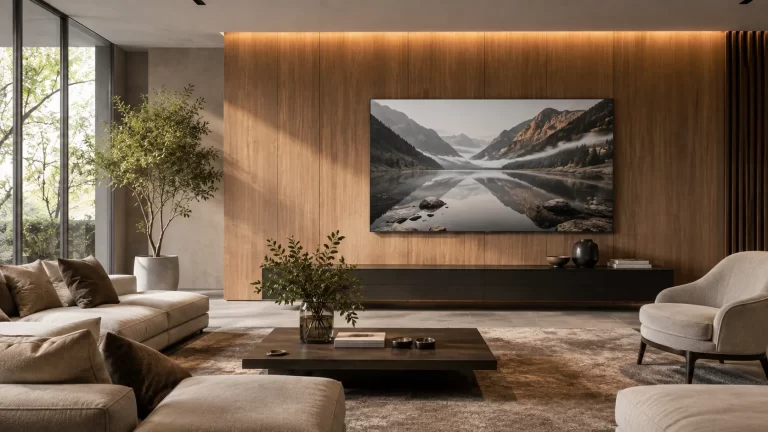
How Dummy TVs Improve the Visual Balance of Furniture Displays
Discover how dummy TVs create balanced furniture displays. Learn practical tips for choosing TV sizes, coordinating media cabinets and planning professional showroom layouts.

Content
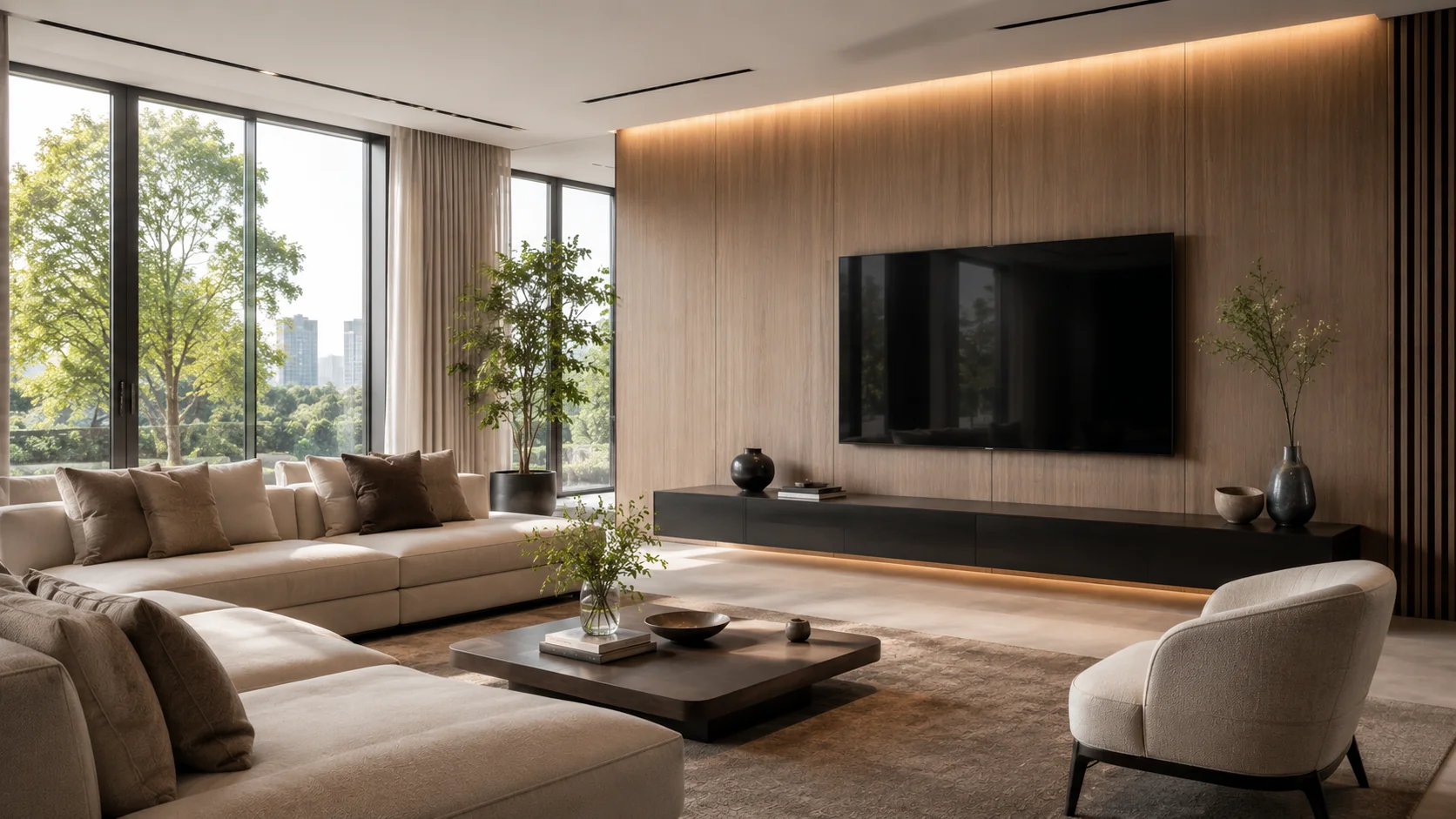
A television often acts as the visual center of a living room. Without a TV, a display can feel incomplete.
However, using real TVs introduces unwanted distractions.
Dummy TVs provide the ideal balance.
Clean Design
Fake TVs eliminate reflections and dynamic light, allowing furniture and decor to remain the focus.
Minimalist Styling
Modern interior design emphasizes clean surfaces and controlled visual elements. Dummy TVs support this design philosophy perfectly.
How TV Size Influences the Balance of a Furniture Display
A television should support the furniture arrangement, not become the only element visitors notice.
In professional furniture showrooms, visual balance depends on the relationship between the screen, media cabinet, seating group, wall dimensions, and surrounding architecture.
A screen that is too small can leave a wide media wall feeling unfinished. An oversized display may overwhelm a compact sofa group or distract attention from the furniture collection.
Before selecting a display, compare the available wall space and furniture proportions using our Prop TV Size Guide.
For many standard living-room settings, a 65-inch prop TV can provide a useful starting point. However, the final selection should always reflect the actual room dimensions and intended visual composition.
Three Practical Ways to Evaluate Visual Balance
1. Start with the Media Cabinet
Compare the proposed TV width with the media cabinet, shelving, and feature wall. The screen should feel connected to the furniture beneath it rather than visually isolated.
Allow sufficient space around the display for lighting, accessories, and surrounding architectural details.
2. Review the Room from the Customer’s Perspective
A display may appear balanced when viewed directly from the front but feel very different from the showroom entrance or main walkway.
Evaluate the arrangement from several positions, including the primary customer approach, the center of the seating area, and the intended photography angle.
3. Coordinate Screen Artwork with Interior Materials
Screen imagery also affects visual balance.
Subtle landscapes, architectural photography, and restrained abstract compositions can complement contemporary furniture without introducing excessive visual competition.
Consider the surrounding upholstery, wood finishes, wall colors, and lighting conditions when selecting screen artwork.
For additional design ideas, read our Minimalist Interior Design guide.
Creating Consistent Room Settings Across Multiple Showrooms
Visual balance becomes even more important when furniture retailers need to reproduce display concepts across several stores.
Store Planning and Visual Merchandising teams can establish a practical display standard by documenting:
- Approved prop TV sizes for different room categories
- Media cabinet and wall-space requirements
- Wall-mounted or tabletop display configurations
- Preferred screen artwork and finishes
- Reference photographs showing approved placement
- Product quantities required for each location
A consistent specification helps individual showroom teams achieve a similar visual result while adapting to local furniture layouts.
Explore our furniture showroom project gallery to see how TV displays can be coordinated with complete room settings.
Turn Your Display Concept into a Practical Project Plan
A successful furniture display begins with visual planning and ends with the right product specification.
Whether you are preparing a single living-room setting, remodeling a regional showroom, or coordinating a multi-store rollout, selecting the right prop TV requires more than choosing a screen size.
Share your room photos, wall and cabinet dimensions, preferred TV sizes, quantities, and delivery destination with YIJIA Props.
Our team can help review suitable display options and project supply requirements.
Request a showroom project quote to discuss your next furniture display project.