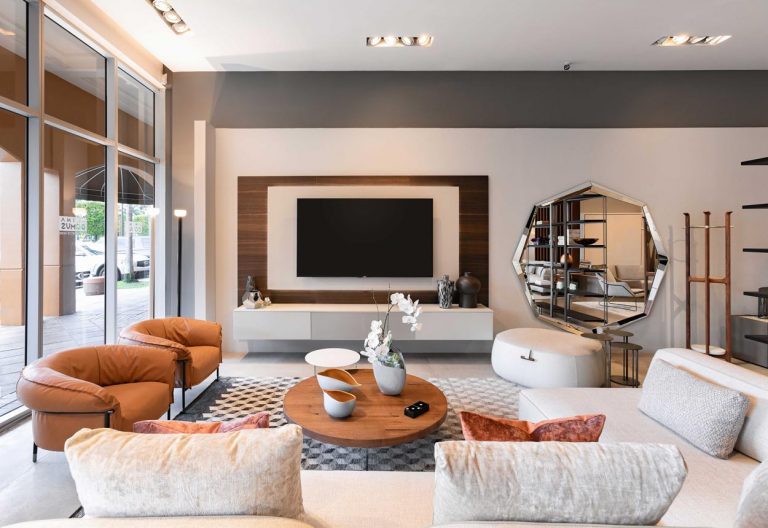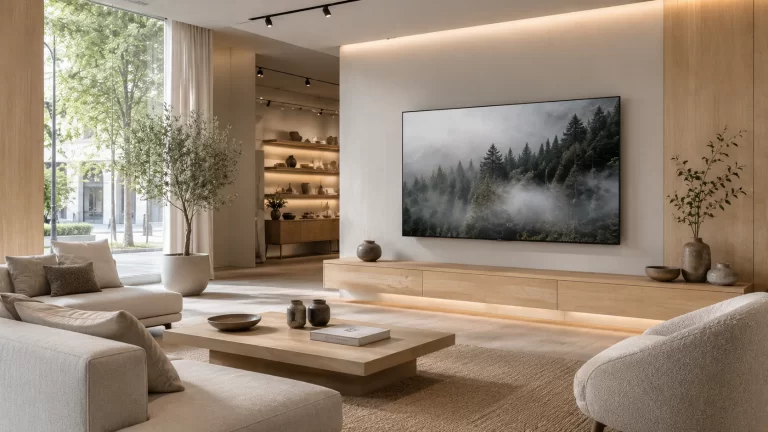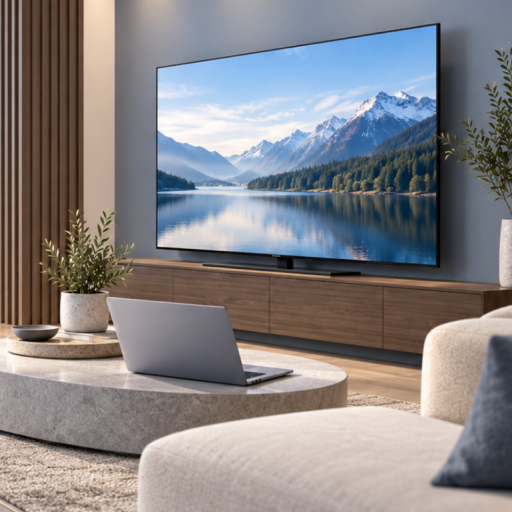
Prop TVs for Furniture Dealers: Planning Consistent Displays Across Stores
Discover how prop TVs help furniture dealers standardize showroom displays, support store renovations, and coordinate multi-location retail rollouts.

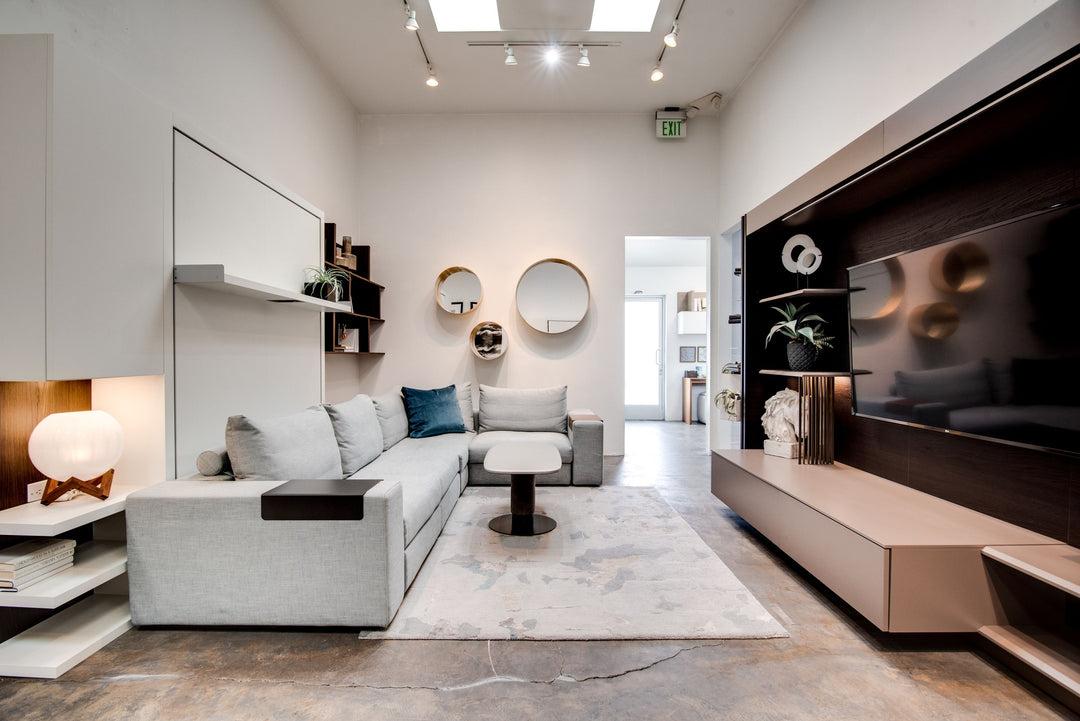
Furniture retailers invest heavily in showroom design to create inspiring shopping experiences. From living room settings and bedroom displays to media walls and entertainment areas, every detail contributes to how customers imagine their future homes.
For furniture dealers operating multiple locations, however, maintaining a consistent showroom presentation can become a significant operational challenge.
When a furniture brand opens new stores, renovates existing showrooms, or updates its retail concept, display equipment must support the same visual standards across the entire network.
Prop TVs offer a practical solution for furniture retailers looking to create realistic television displays without the ongoing maintenance and operating requirements of conventional electronic equipment.
1. Why Consistent Showroom Displays Matter for Furniture Retailers
A furniture showroom is more than a place to display products. It is where customers experience how furniture fits into everyday life.
A television positioned above a media console, for example, helps customers visualize a complete living room rather than evaluating individual furniture pieces.
For multi-location furniture retailers, consistent presentation helps:
- Maintain a recognizable brand experience across stores.
- Create standardized living room and entertainment displays.
- Support showroom renovations and new store openings.
- Improve coordination between headquarters, store planners, and local teams.
- Reduce differences in display presentation between locations.
When a retailer operates dozens or hundreds of stores, small differences in showroom presentation can become difficult to manage without standardized display specifications.
2. Where Prop TVs Fit into Furniture Showroom Design
Prop TVs are non-functional display models designed to reproduce the appearance of real televisions.
They are particularly useful in furniture retail environments where the visual appearance of the screen is important, but actual television operation is unnecessary.
Typical applications include:
Living Room Furniture Displays
Position a realistic television above a TV console or media cabinet to create a complete residential setting.
Media Walls and Entertainment Centers
Use prop TVs to demonstrate how different furniture configurations accommodate modern television sizes.
Bedroom Showroom Displays
Create realistic bedroom environments with television displays integrated into bedroom furniture arrangements.
Apartment and Model Home Settings
Support lifestyle presentations where furniture, accessories, and electronic-looking props work together to create a finished interior.
Retail Window Displays
Create visually complete furniture arrangements without requiring operational electronics.
3. Standardizing TV Sizes Across Multiple Store Locations
For furniture groups planning a showroom rollout, product standardization should begin with a clear display specification.
Rather than allowing every location to select display equipment independently, headquarters can establish preferred screen sizes based on furniture collections and showroom layouts.
Common prop TV sizes include:
| Screen size | Typical showroom application |
|---|---|
| 32–43 inch | Compact furniture settings |
| 50–55 inch | Standard living room displays |
| 65 inch | Medium and large media consoles |
| 75 inch | Premium living room arrangements |
| 85 inch | Large entertainment centers |
| 98 inch | Oversized feature walls and statement displays |
The appropriate size depends on the furniture dimensions, viewing proportions, wall layout, and overall showroom design.
For multi-store programs, establishing a preferred size range helps simplify purchasing, product selection, and replacement planning.
For more information, see our Prop TV Size Guide.
4. Planning a Multi-Store Display Rollout
A successful showroom upgrade requires more than selecting the right display product.
Furniture retailers should consider the following steps when planning a multi-location program.
Step 1: Establish Centralized Specifications
Define preferred screen sizes, colors, appearance, mounting requirements, and display configurations.
Step 2: Identify Store Display Requirements
Different locations may have different floor plans, furniture collections, and wall configurations. Confirm whether each display will be wall-mounted, placed on a tabletop, or integrated into a media console.
Step 3: Plan Quantities by Location
Prepare a store-by-store quantity schedule.
For example, a rollout may involve:
- New store openings.
- Existing showroom renovations.
- Replacement of outdated display props.
- New furniture collection launches.
- Regional showroom concept updates.
Step 4: Coordinate Purchasing and Delivery
Consolidating specifications and purchasing requirements can make supplier communication, packaging arrangements, and international shipping coordination more manageable.
Step 5: Maintain Consistent Presentation
Use the same approved specifications across participating stores to help maintain a unified showroom appearance.
5. Why Furniture Retailers Choose Non-Functional Prop TVs
Traditional televisions are designed for entertainment and home use. In a furniture showroom, however, their operational features are not always necessary.
A non-functional prop TV provides the visual appearance of a television without requiring normal electronic operation.
Key advantages include:
- No electricity required for operation.
- No power cables or signal connections.
- No screen heat generated through normal operation.
- No software updates or television maintenance.
- Lightweight construction for easier display handling.
- Realistic screen appearance for showroom presentation.
For furniture retailers managing multiple locations, these characteristics can simplify display planning and reduce the operational work associated with maintaining conventional televisions.
6. Choosing a Reliable Prop TV Supplier for Retail Projects
For furniture groups, selecting a supplier involves more than comparing individual product prices.
A suitable supplier should understand the requirements of commercial display projects.
Important considerations include:
Consistent Product Specifications
Screen dimensions, appearance, finish, and construction should remain consistent across repeat orders.
Multiple Screen Sizes
A supplier should support different furniture collections and showroom layouts, from compact displays to large feature walls.
Bulk Order Coordination
The supplier should be able to discuss quantities, packaging, product specifications, and shipping requirements for multi-location projects.
Custom Display Requirements
Different showroom concepts may require specific screen appearances, colors, or mounting arrangements.
Long-Term Supply Support
For retailers continuously opening and renovating stores, repeat purchasing and consistent product specifications are important.
YIJIA specializes in non-functional prop TVs and dummy electronic display products for furniture showrooms, interior design projects, home staging, and commercial display environments.
With more than 10 years of manufacturing experience and customers in international markets, we understand the importance of product consistency and reliable project coordination.
7. Plan Your Next Furniture Showroom Upgrade with YIJIA
Whether you are opening a new furniture showroom, renovating an existing location, or standardizing displays across a retail network, choosing the right display equipment can help create a more consistent shopping environment.
YIJIA provides prop TVs in multiple screen sizes, including 32-inch to 98-inch models, for furniture retailers, showroom designers, visual merchandising teams, and commercial display projects.
We welcome inquiries from:
- Large furniture retail chains.
- Regional furniture dealer networks.
- Furniture manufacturers with branded showrooms.
- Retail interior design and store planning teams.
- Commercial staging and showroom contractors.
Planning a multi-store showroom project?
Contact our team with your preferred screen sizes, estimated quantities, and delivery requirements.
We will help you identify suitable prop TV options for your showroom display program.
Explore Our Prop TV Collection
Request a Product & Shipping Quote
YIJIA Props — Create Atmosphere, Inspire Spaces.